
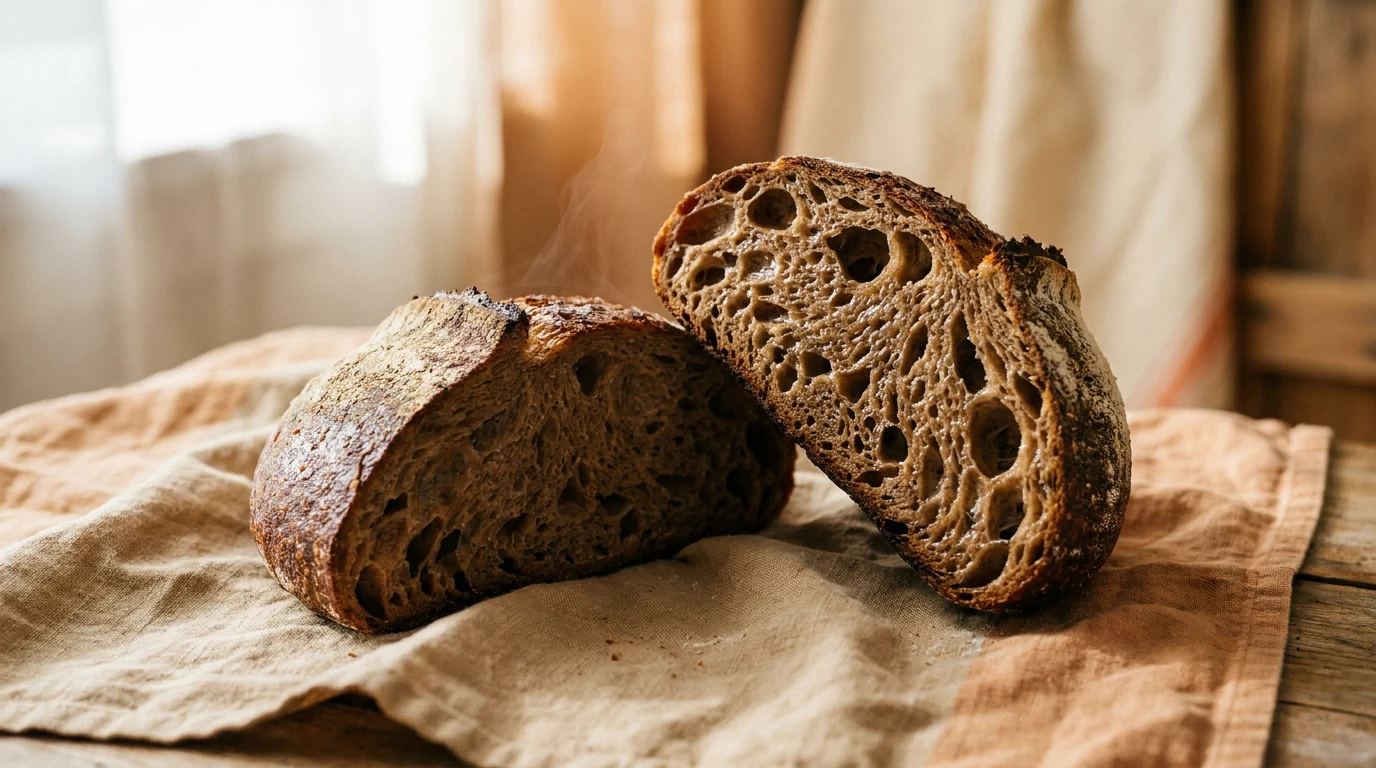
Bread that’s
actually alive.
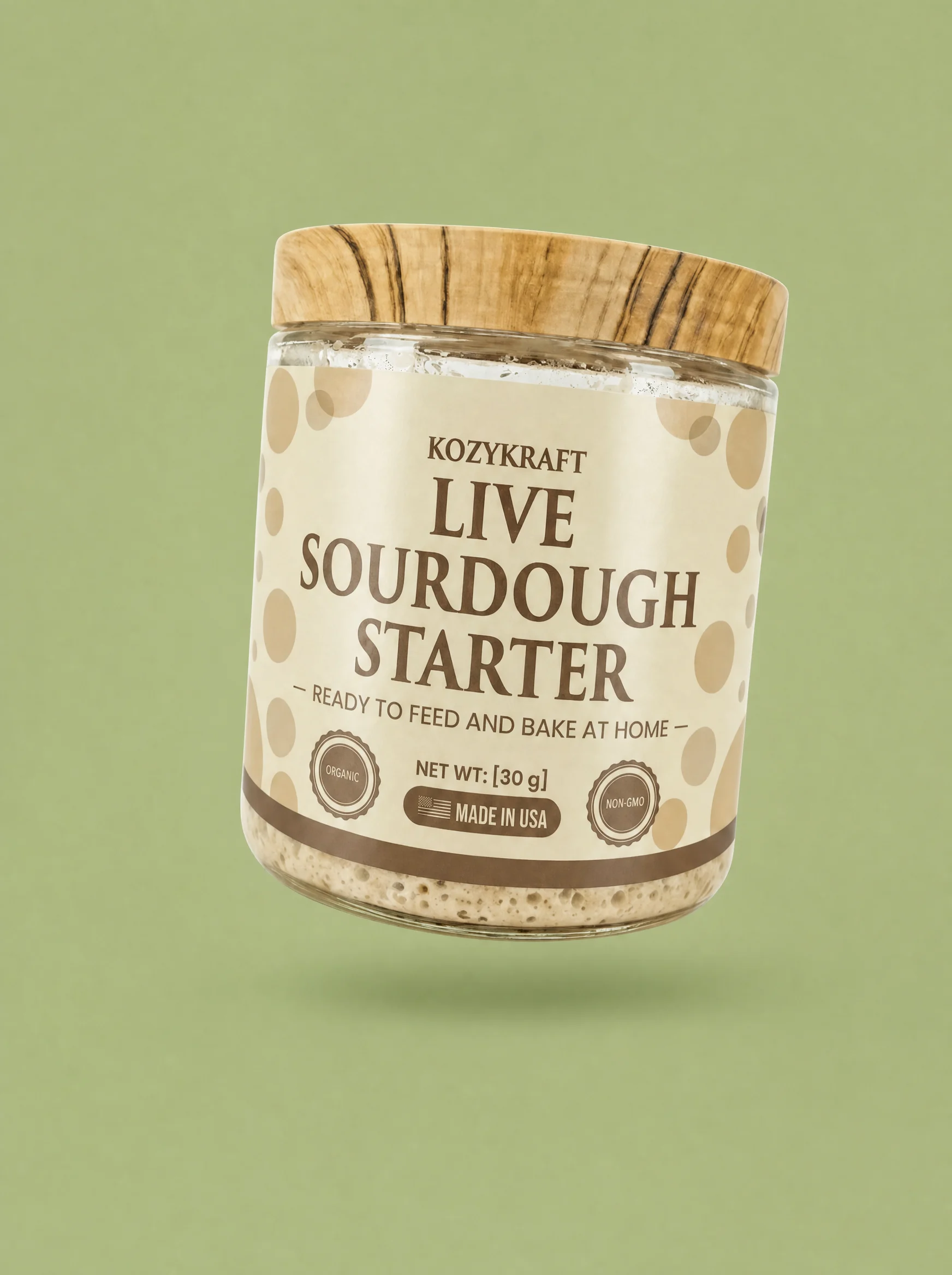
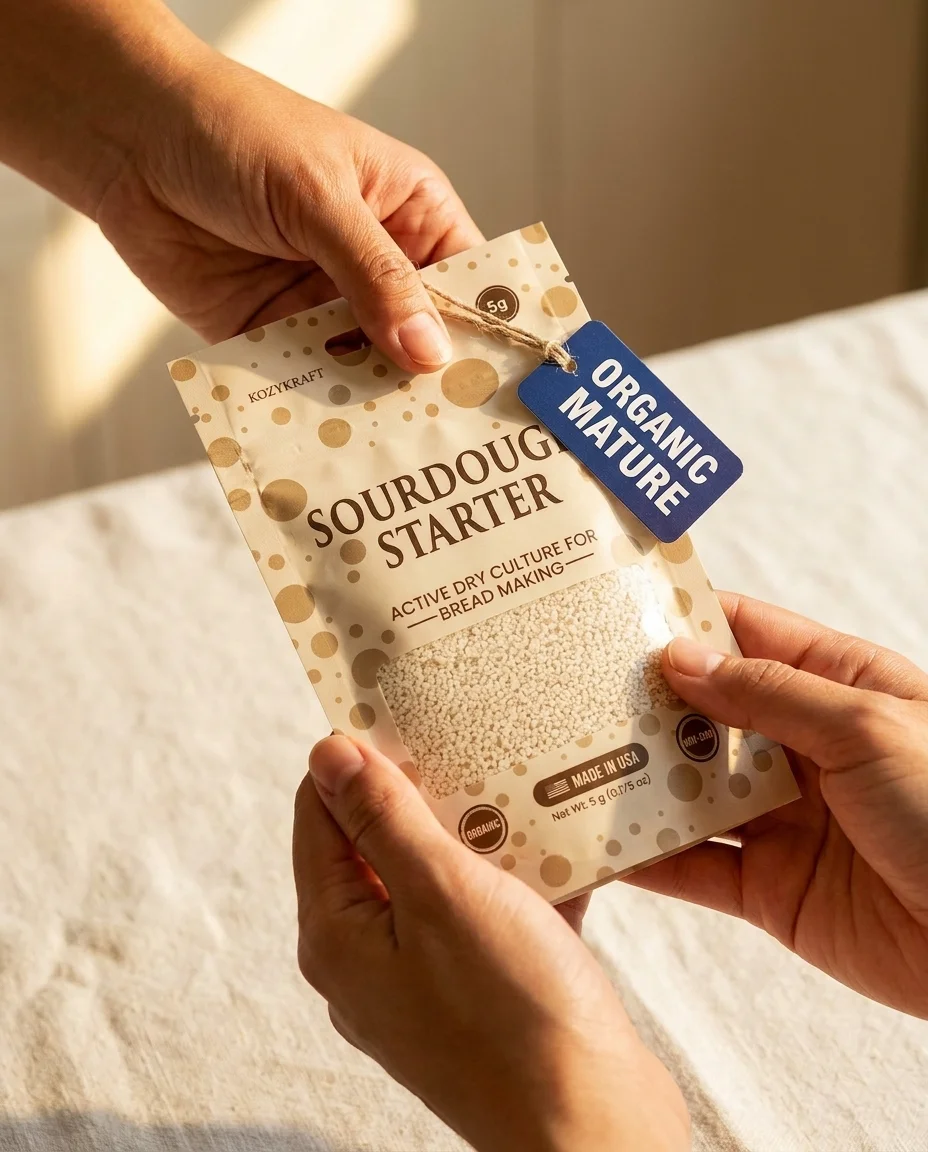
Most starters arrive dead, half-dead, or impossible to wake. Ours are dehydrated at low temp the same day they’re fed — so when you add water, the wild yeast just… gets up.
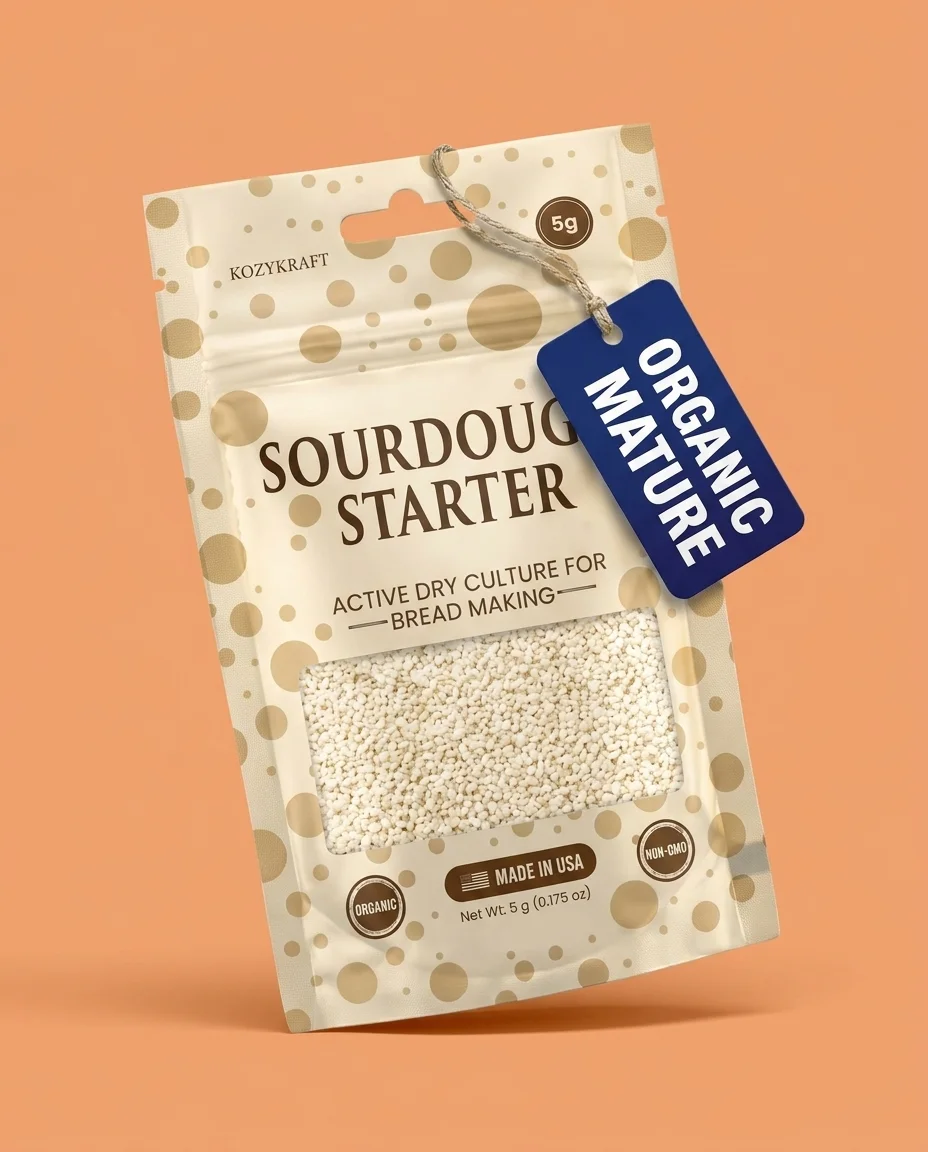
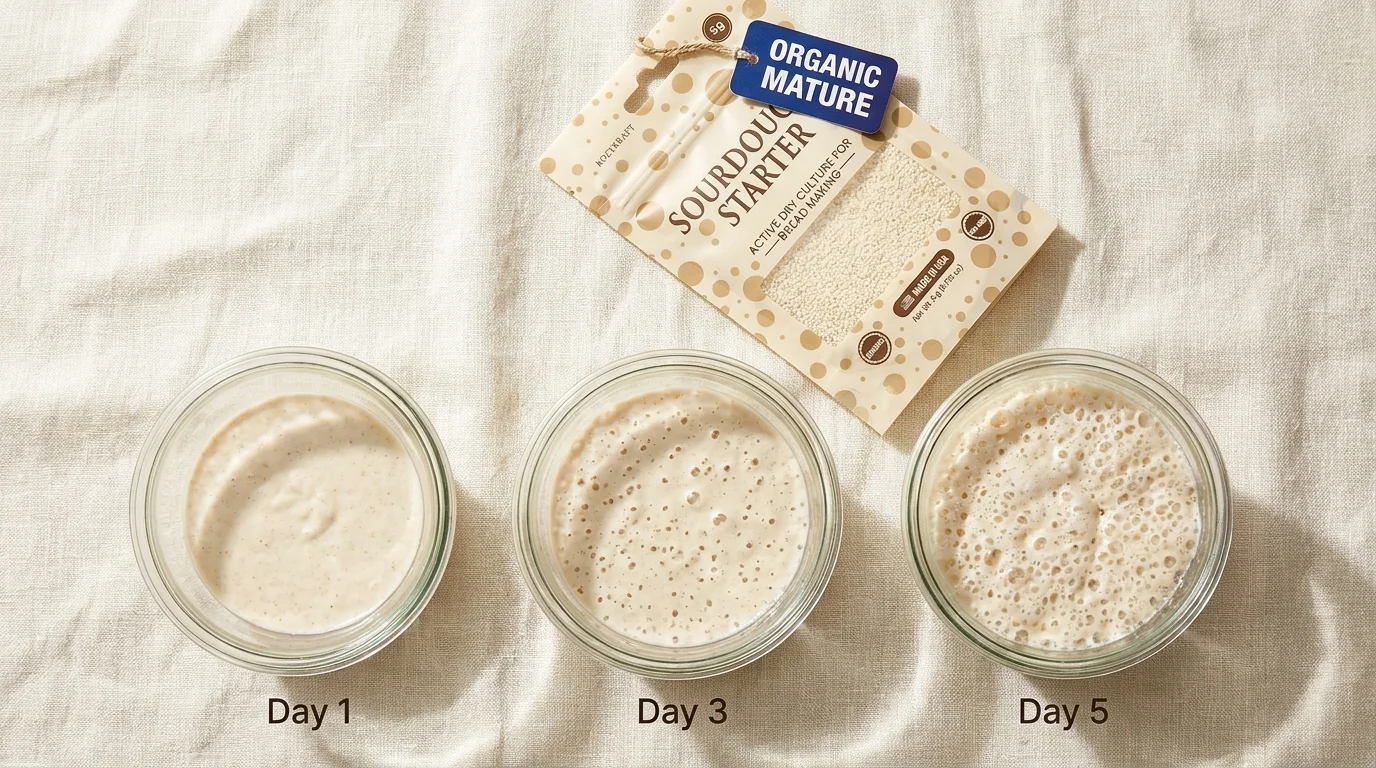
Just open the packet, mix with water, feed for a few days, and bake. No discard-and-pray. No two-week ritual. Just bread.
Shop the starters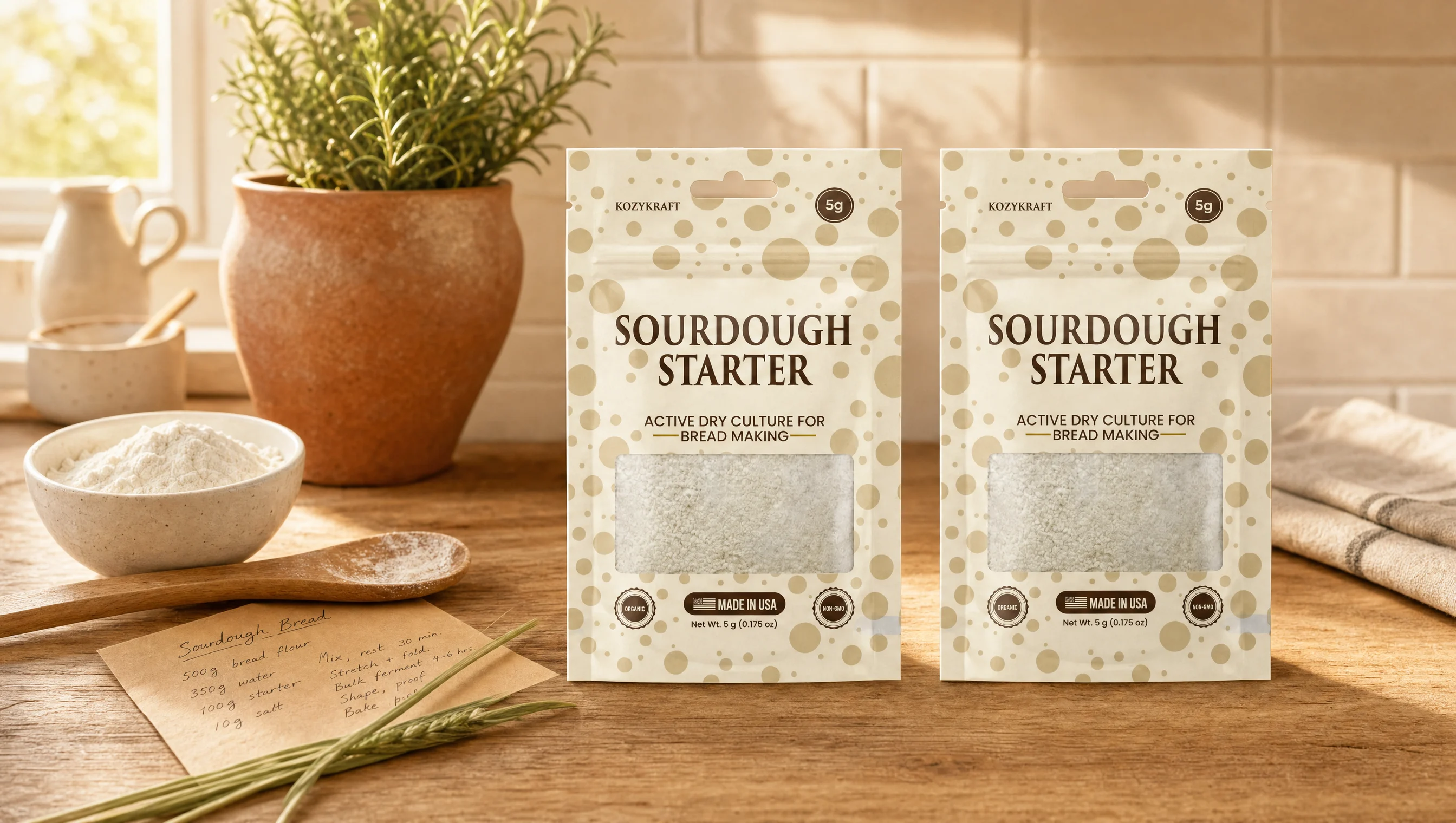
The good kind of dough.
Joy in every
flour…

It started as a hobby.
It changed our lives.
We picked up sourdough the way most people do — out of curiosity, in a tiny apartment kitchen, with a jar of flour and water and a lot of hope. We didn’t expect much.
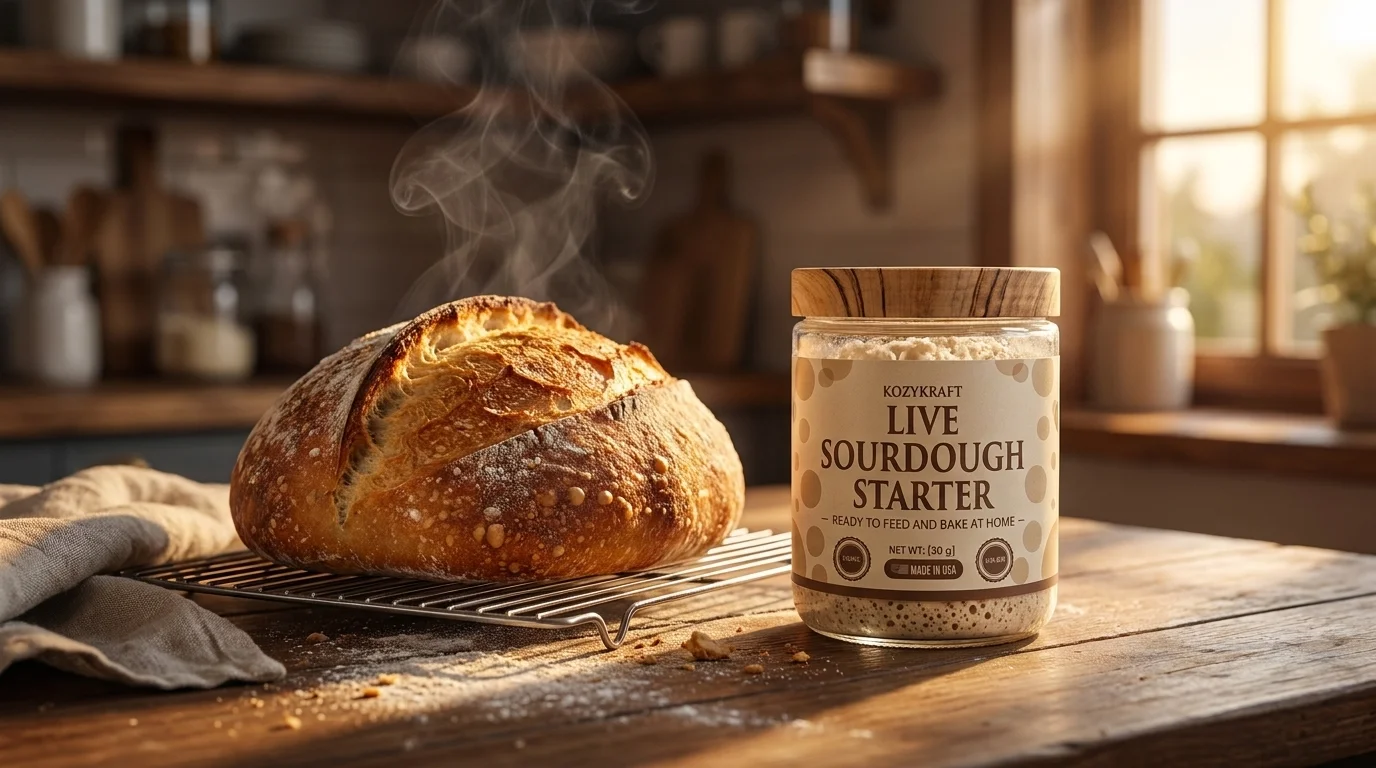
What we got was a quiet, sturdy ritual. A loaf at the end of the week. Better digestion. Cheaper bread that tasted like the bakeries we couldn’t afford. Slowly, sourdough crept into the way we ate, the way we cooked, the way we thought about food.
KozyKraft is what came next — a small, two-person attempt to put that same quiet ritual in your hands. Wild starter, made by hand, sent across the country to families we’ll never meet. We’re on a mission to share natural food with everyone who’ll have us.
Read our story →★ Recommended · trusted by sourdough bakers everywhere ★
1,247 bakers,
and counting.
On the
for-you page.
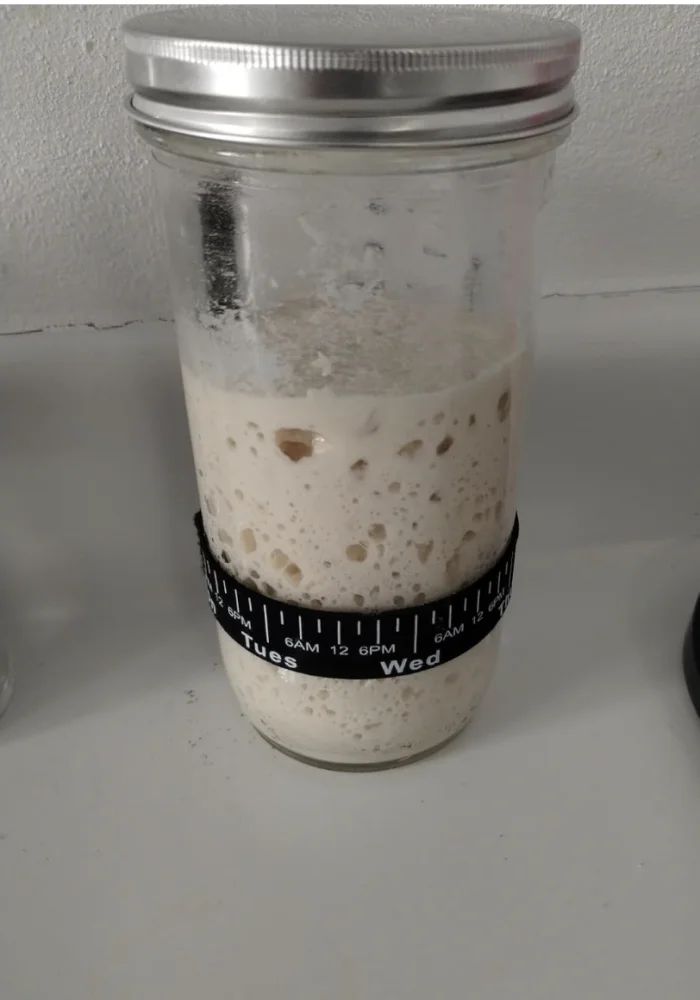
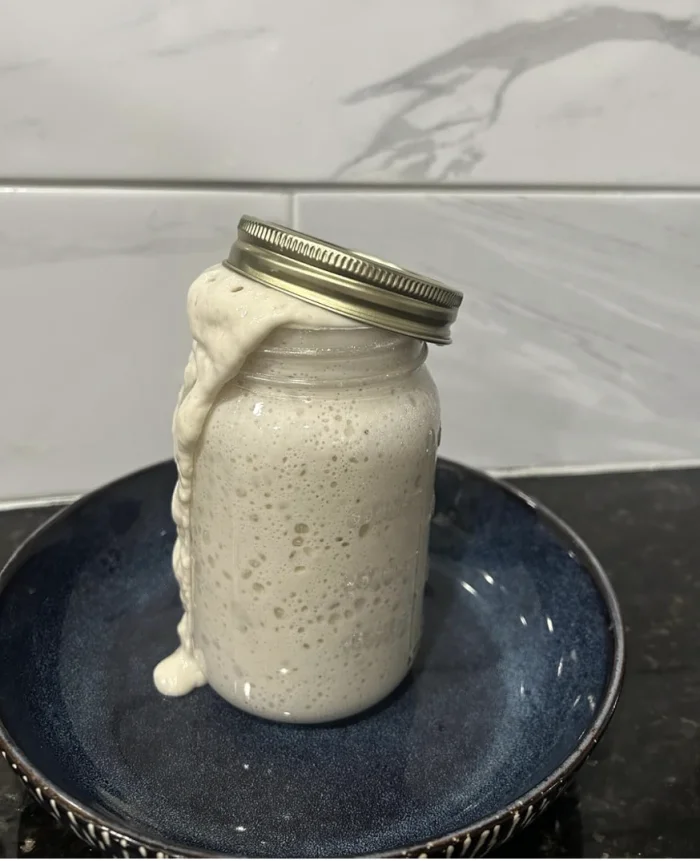
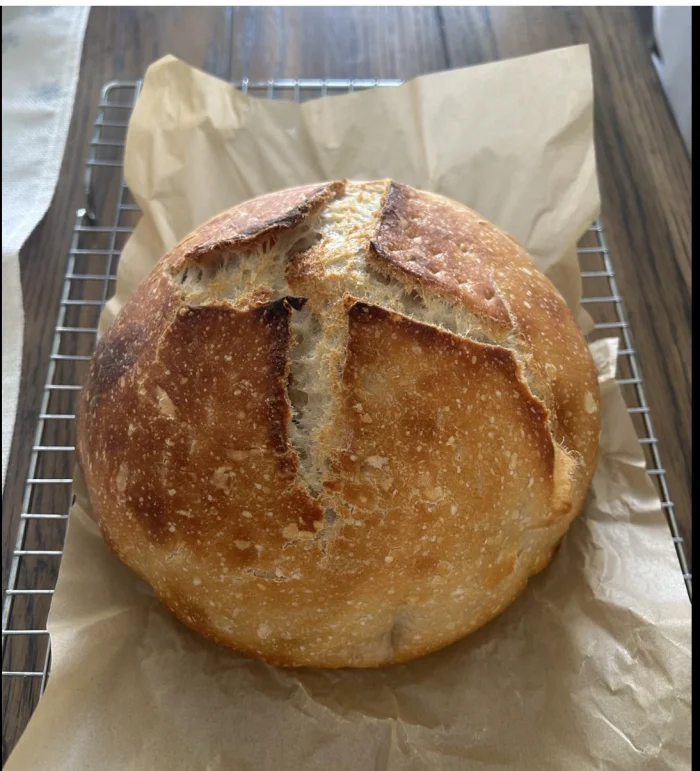
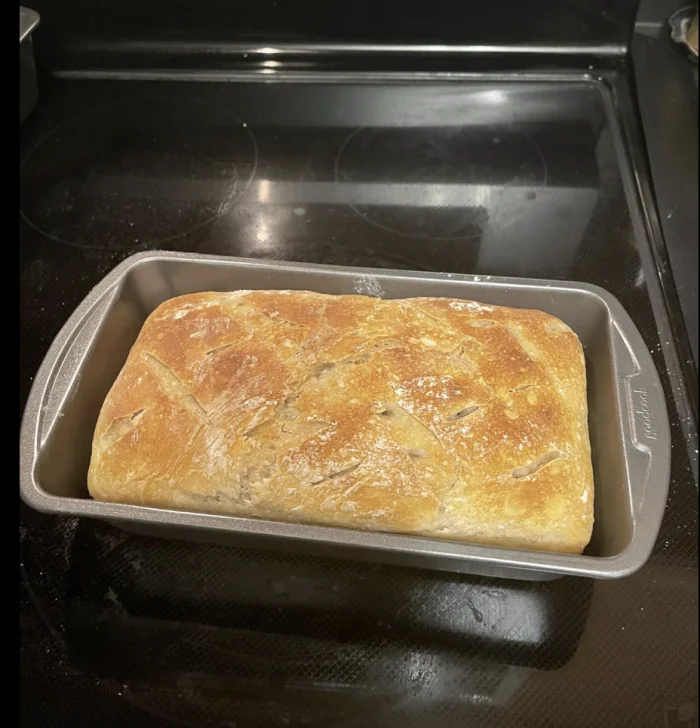
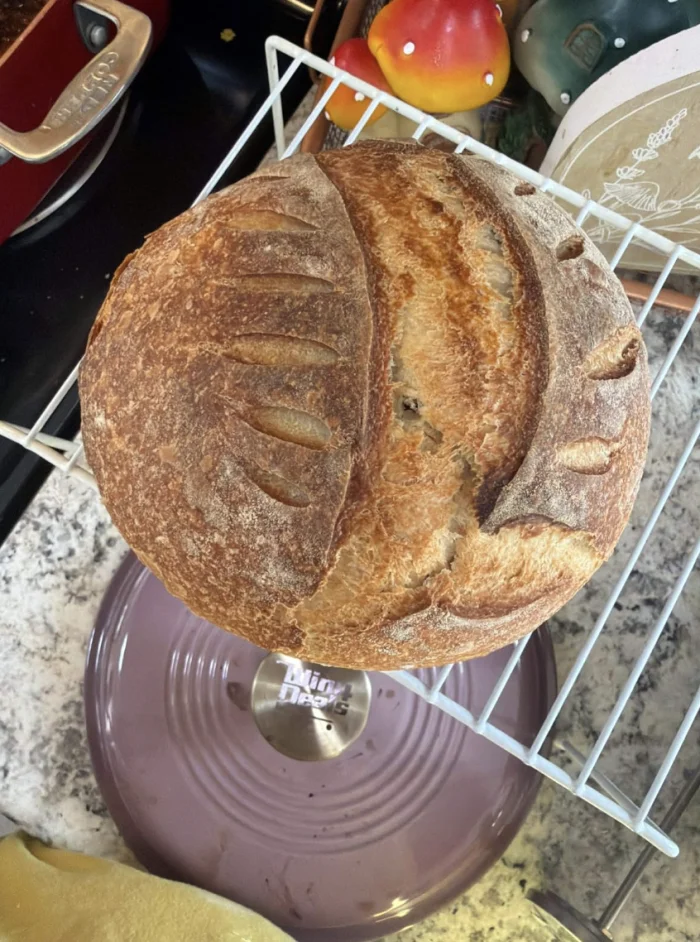
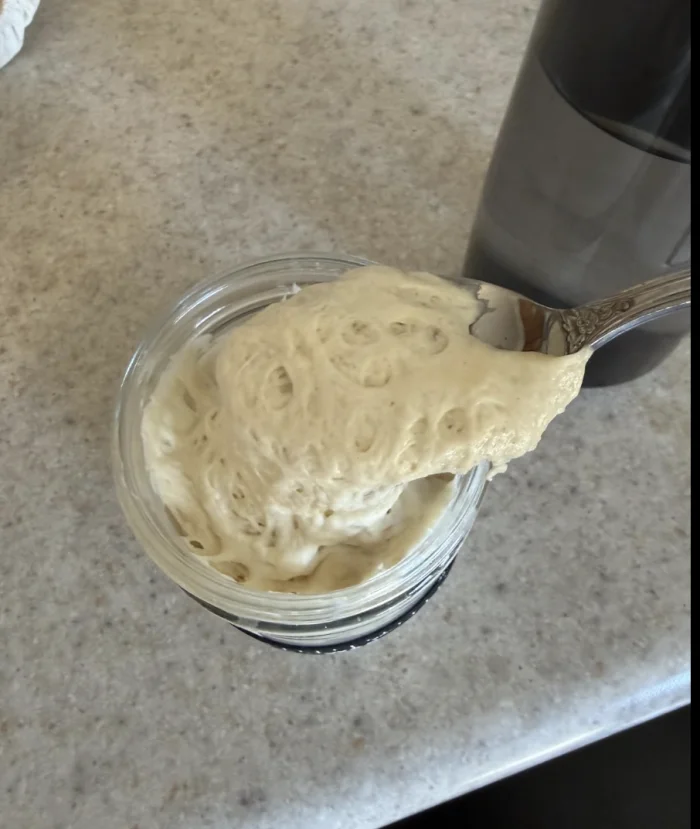
Real bakers, real loaves — straight from the For You page.
← drag · scroll · tap any video to play →
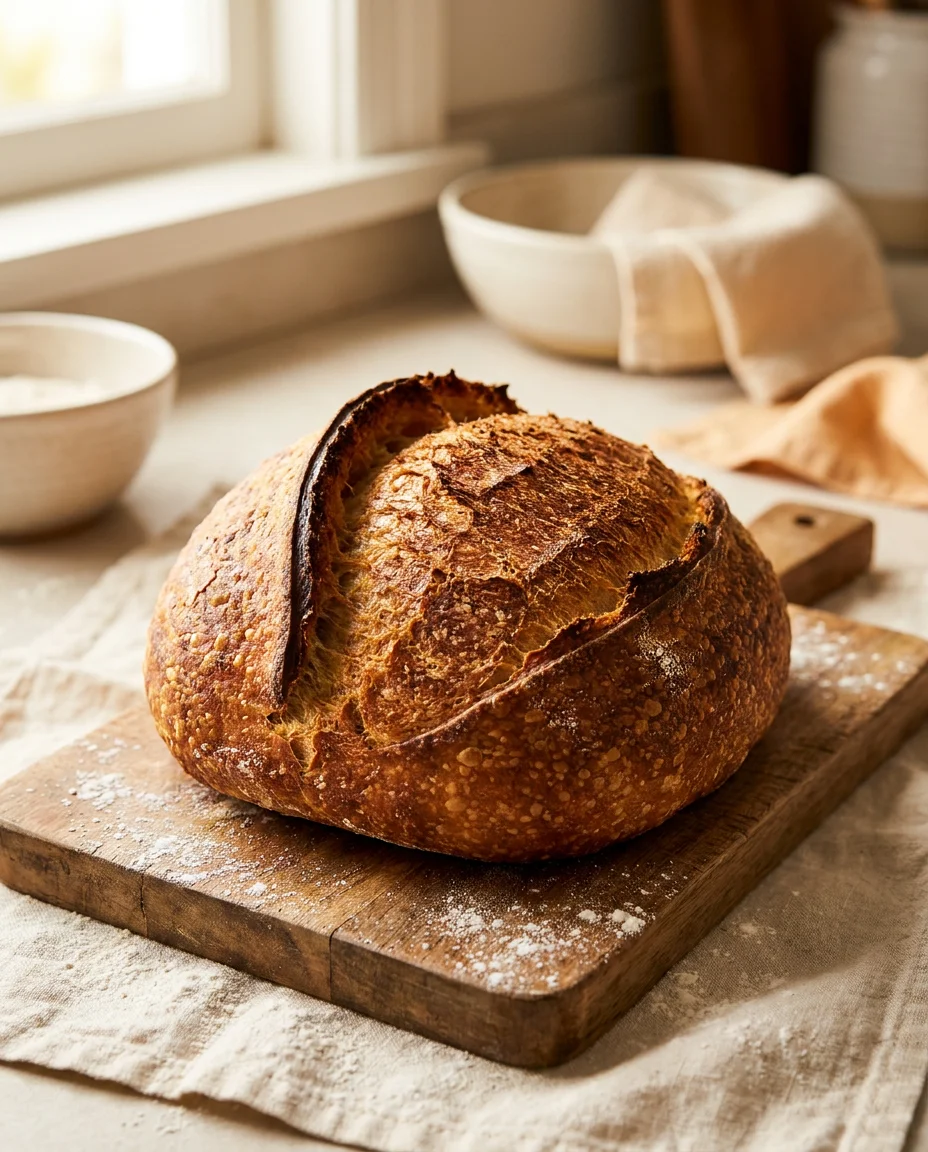
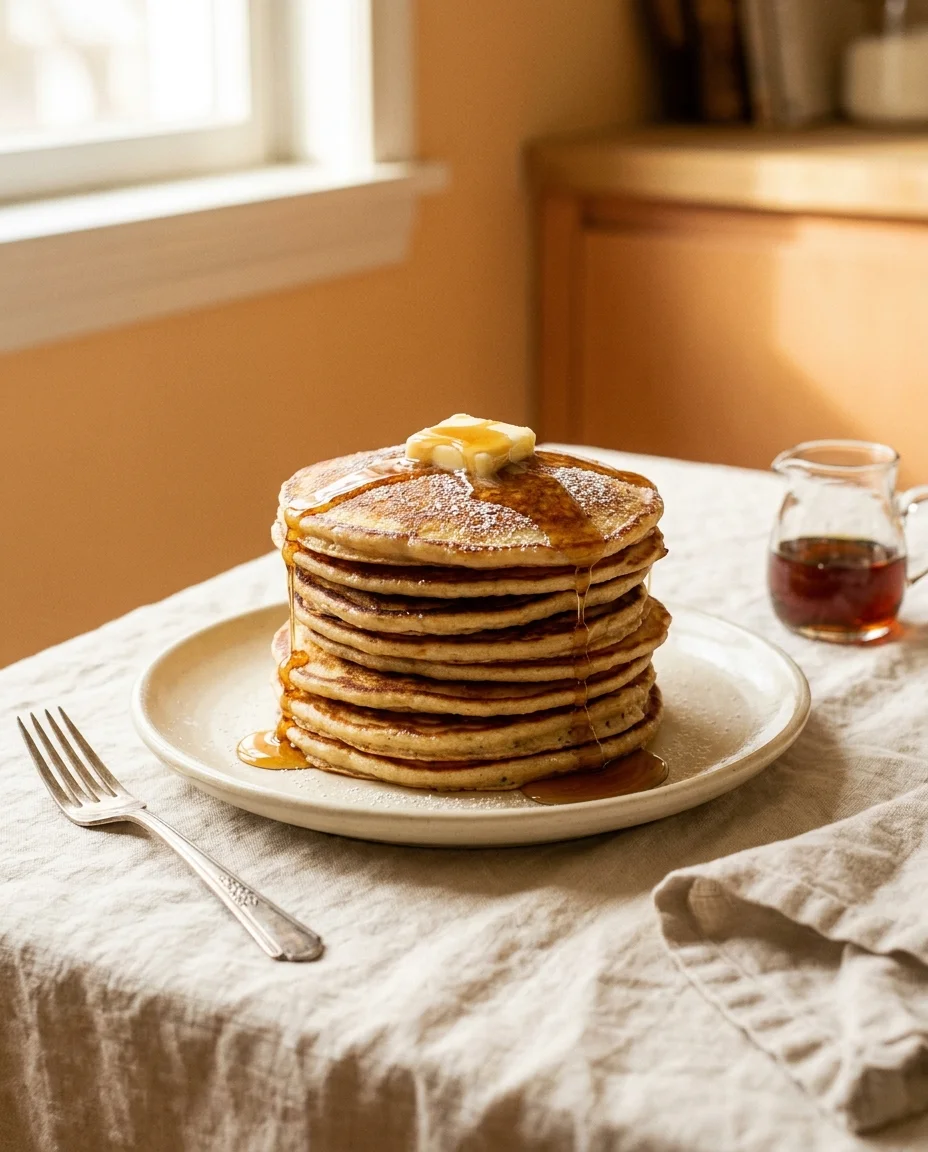
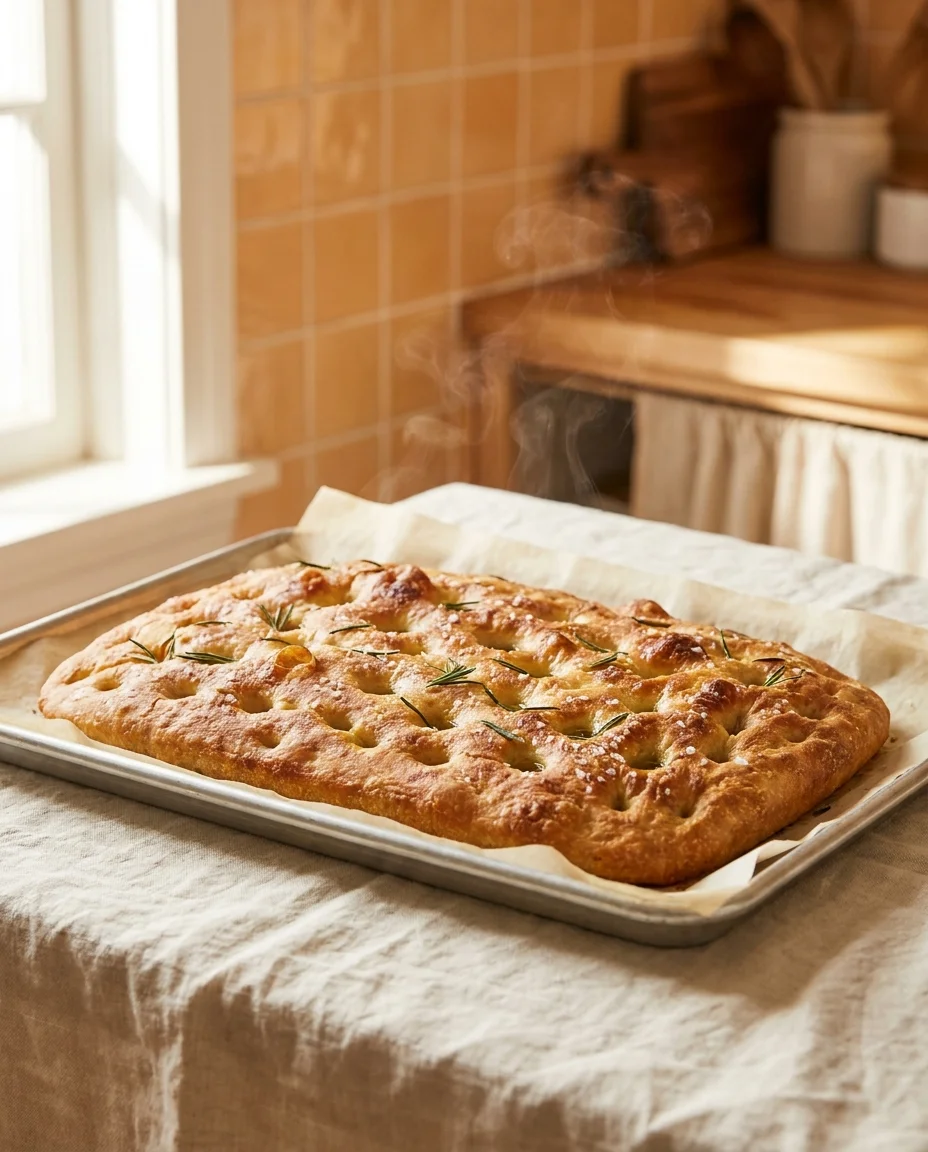
What to bake
this weekend.
Your first loaf
is seven days away.
Start baking →Free shipping when you subscribe · Bubbling guarantee · Cancel anytime